Everyone knows the Venus flytrap. It’s basically the celebrity of the plant world, flashy, dramatic, snaps at things. But the carnivorous plant family is massive, and some of its lesser-known members make the Venus flytrap look totally boring by comparison.
Here are some of the most bizarre carnivorous plants on the planet.
The Waterwheel Plant: A Flytrap That Lives Underwater
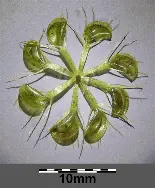
Imagine a Venus flytrap, but aquatic, and the size of your fingernail. That’s basically the Waterwheel plant (Aldrovanda vesiculosa). It floats freely in freshwater ponds with no roots at all, and its tiny snap-traps are arranged in a spiral along the stem like a little wheel. It catches water fleas and small aquatic invertebrates in a fraction of a second. It’s also one of the rarest plants on Earth; it has vanished from large parts of its original range due to habitat loss. Tiny, rootless, and nearly extinct. What a way to live.
Corkscrew Plants: A Maze with No Exit
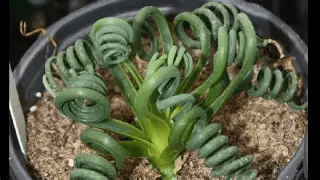
Genlisea plants look completely innocent above ground, just a small rosette with little yellow flowers. Underground is where things get sinister. Their roots are actually hollow, corkscrew-shaped tubes that function as traps. Tiny organisms like protozoa swim in through a one-way spiral entrance and simply can’t find their way back out. There’s no snap, no sticky goo, just an inescapable labyrinth. These plants also hold the record for the smallest genome of any plant, which is a fun bonus fact for your next dinner party.
Nepenthes rajah: The Pitcher Plant That Eats Rats
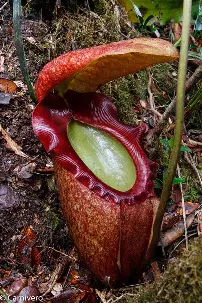
Most pitcher plants drown insects in a pool of digestive fluid. Nepenthes rajah from Borneo decided insects weren’t ambitious enough. Its pitchers can hold up to 3.5 liters of liquid and have been documented catching rats, frogs, and lizards that fall in and can’t escape. It also has a fascinating side hustle; it bribes tree shrews with nectar to come sit on the lid of its pitcher, then collects their droppings as fertilizer. A carnivorous plant that also farms animals for manure. Respect.
The Rainbow Plant: Death by Glitter
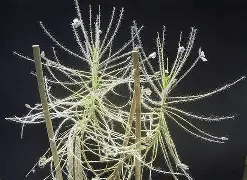
Byblis looks like something out of a fairy tale. It’s covered in thousands of tiny, sparkling glands that catch the light, making the whole plant shimmer like it’s dusted in diamonds. Insects are lured in by the sparkle, land on the sticky surface, and slowly get digested. It’s beautiful, it’s deadly, and it’s proof that nature has a flair for the theatrical.
Pinguicula: The Butterwort That’s Also a Houseplant
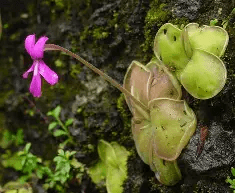
Butterworts (Pinguicula) are the sleeper hit of the carnivorous plant world. They look like a pretty little succulent, but their leaves are coated in a greasy, sticky mucus that traps fungus gnats and small insects. People grow them on windowsills without even realizing they’re carnivorous; they just notice their annoying gnat problem mysteriously disappearing. Low-key, stylish, and quietly deadly. The perfect houseplant, honestly.
Because these plants are so weird, they are also extremely rare! They also have very fragile functions and are very susceptible to environmental change. This is the unique biodiversity lost through habitat destruction. Ask questions down below, I’m always willing to help!
 The Bog Blog
Leave a comment