Let’s get one thing out of the way first: you cannot use regular potting soil for carnivorous plants. I know it’s tempting, it’s right there at the garden center, it’s cheap, and it looks fine. It is not fine. Most potting mixes are packed with fertilizers and nutrients that will straight up burn the roots of carnivorous plants and kill them within weeks. These plants evolved in nutrient-poor environments; they don’t want rich soil, they want basically nothing.
And while we’re at it, never use Miracle-Gro for anything carnivorous plant-related. Not the soil, not the perlite, not anything with their branding on it. It’s all fertilizer-loaded, and it will kill your plants. Just avoid it entirely.
So what do you actually use? Let’s break it down.
Premade Mixes
If you don’t want to mix your own soil yet, premade mixes are a solid starting point.
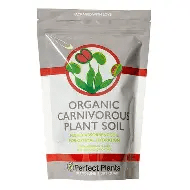
Perfect Plants Carnivorous Plant Soil Mix — ~$17 on Amazon (4 quarts)
This is actually what I started with, and honestly, it’s a perfectly fine beginner mix. It’s not my favorite anymore, but it’s widely available, comes in a decent 4-quart bag, and gets the job done without breaking the bank. Good if you just want to repot something quickly without overthinking it.
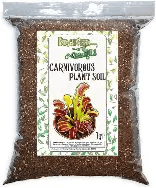
Birch Seed Soils Carnivorous Mix — ~$12 on Amazon (1 quart)
This one is cheaper upfront but only comes in 1-quart bags, so keep that in mind if you’re potting more than a plant or two. That said, I actually think the quality is higher than the Perfect Plants mix; it’s well-balanced, and my plants have responded really well to it. Worth it if you only need a small amount or want to try it out before committing.
DIY Mixes: Better Long Term and Cheaper at Scale
Once you get comfortable, mixing your own substrate is the way to go. You have more control, it’s cheaper in bulk, and you can tweak it for specific plants. Here’s what to know before you start:
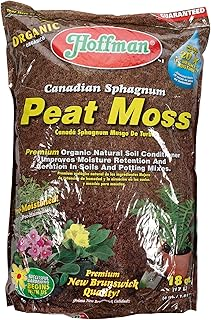
A quick but important note on peat: make sure you’re buying peat moss, not sphagnum moss; they are not the same thing. Sphagnum is a living or dried long-fiber moss, and peat is the decomposed organic matter that forms at the bottom of bogs over thousands of years. They have different textures, drainage properties, and uses. For these DIY mixes, we’re talking about peat (except when it literally says Sphagnum). You can find it in bulk on Amazon or at most garden centers. Also, always rinse your peat before using it. It can carry excess nutrients from the bag that you don’t want anywhere near your plants. A good rinse with distilled or rainwater sorts that out.
For perlite, you can also grab that in bulk on Amazon, depending on how much you’re making. Just make sure it’s plain horticultural perlite with no added fertilizer, and yes, that means no Miracle-Gro perlite.
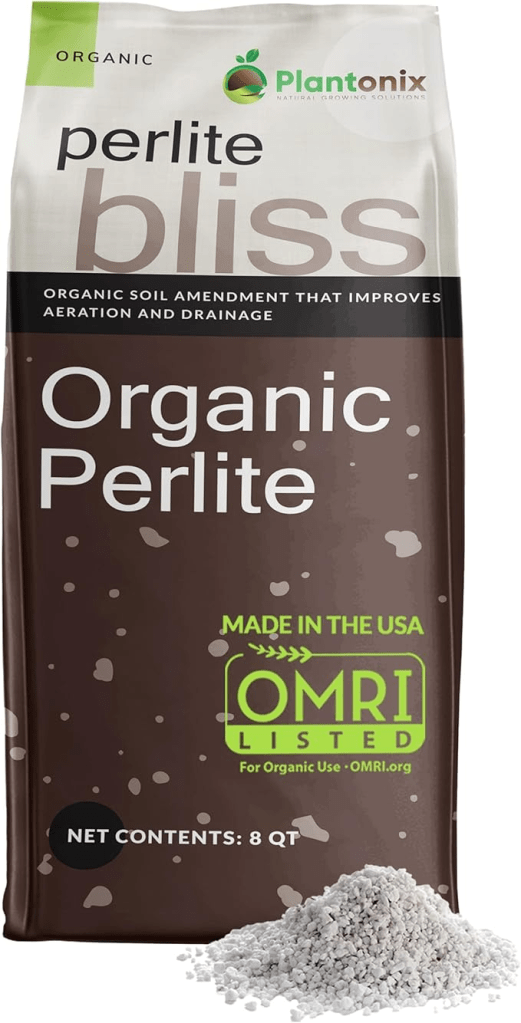
Venus Flytraps, Sarracenia, most Sundews: 50/50 peat and perlite. This is the standard starting point for a reason. Keeps things acidic and moist while the perlite stops the roots from suffocating. Simple, cheap, and hard to mess up.
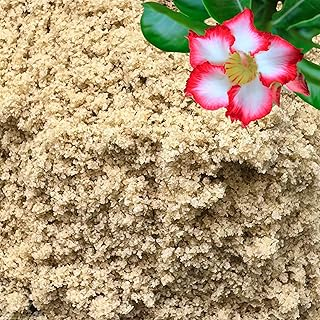
For Sarracenia specifically: Try 60% peat / 40% horticultural sand for a grittier, faster-draining mix that mimics their natural sandy bog habitat. Just make sure it’s horticultural sand, not beach sand, not play sand; both can have salt or mineral content that causes problems.
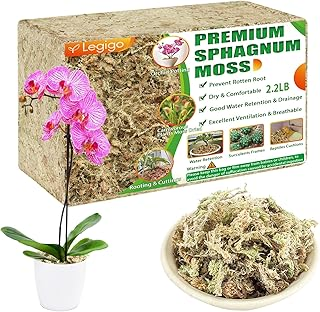
For Drosera (Sundews) and Utricularia: These like it wetter, so something like 50% peat / 30% sphagnum (wash this also!!) / 20% perlite works really well and helps retain a bit more moisture.
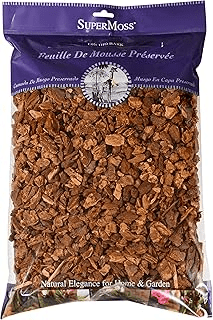
For tropical Nepenthes: Go heavier on drainage, around 50% perlite / 30% orchid bark / 20% peat is a popular mix. These plants want great airflow around their roots and don’t like sitting in anything too wet.
What to Always Avoid
Just to save you some grief, skip anything with added fertilizer, lime, compost, or “moisture control” additives. If it sounds nutritious, your carnivorous plants don’t want it. Regular potting soil, garden soil, and anything “enriched” is a hard no.
Everyone develops their own preferences over time, and a lot of it comes down to what’s available where you live. But whether you go premade or DIY, the golden rule is always the same: low nutrients, right moisture, good drainage. Nail those three things and your plants will be happy.
Let me know if you have any questions!
 The Bog Blog
Leave a comment